Advisory Board Chair and Senior Director for Sustainability, Energy, and Infrastructure April 2026.




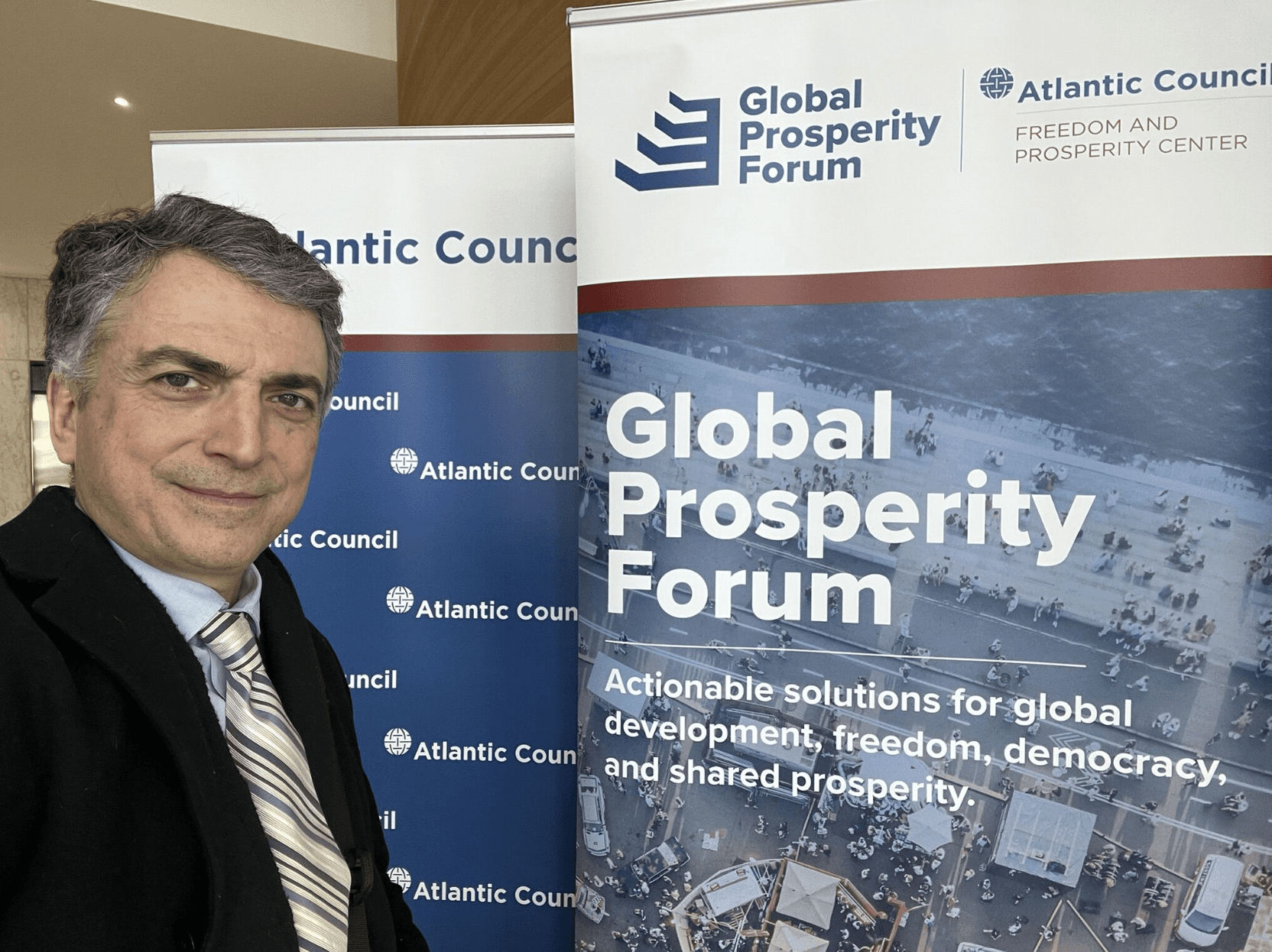
The Advisory Board Chair for the Institute for American Leadership, @Orestes Anastasia, represented the Institute for American Leadership at the @Atlantic Council’s Global Prosperity Forum on April 9 to join in on conversations around global development, reflecting on the current state of U.S. international engagement more than one year after the United States Agency for International Development (USAID) was dismantled (Atlantic Council, 2026). A primary focus of the Forum was on international investment, development finance, shifting paradigms in partnership and trade, and the long-term sustainability in and effectiveness of global investment in economies, infrastructure, and public services.
A key takeaway from the event is that there is an unsettled tension between whether the future of foreign development should focus on maximizing a return on investment (ROI), where U.S. capital is invested in the U.S. self-interest, or whether developing countries can be financially supported without a specified U.S. agenda (Estes et al.14 April 2026). In other words, can we have both top-down control and ground-level impact, or will one come at the expense of the other? And what role does cooperation and partnership play in ensuring the interests of both funder and recipient can be met?
While the conversations on the execution of aid continue, key insights are emerging:
The U.S. remains a more trustworthy investment partner than China.
Economic development benefits both U.S. stakeholders and foreign beneficiaries.
The ability to deliver investment deals remains significantly constrained today (Estes et al.14 April 2026), and it is crucial to overcome incorrect stereotypes about investment risks in developing economies while also strengthening capacity and enabling environments.
The “America First” foreign investment approach appears to be emphasizing the principle of “reciprocity” according to Christopher Landau, United States Deputy Secretary of State, where all countries are striving toward greater prosperity. This still means that developing countries and emerging economies can benefit from U.S. investment, and achieve greater prosperity which can also lead to significant societal benefits (Atlantic Council, 2026).
While the U.S. remains highly engaged worldwide, the current Administration is demonstrably emphasizing engagement with the Latin America and Caribbean region.
As with any enterprise, foreign aid can be delivered more and more effectively over time, and it will be important to explore strategies and methodologies for doing so.
Looking to the future, U.S. foreign assistance may not look exactly like it used to, but even as there is an increasing emphasis on foreign investment we can modernize and improve the system across the board. This year, the U.S. International Development Finance Corporation and U.S. Millennium Challenge Corporation are moving forward with ambitious efforts to mobilize financing for investment and development.
Transitioning USAID to the Department of State without maintaining staff expertise has significantly reduced the U.S. Government’s ability to deliver foreign assistance.
There are still voices arguing in favor of foreign assistance as an end in itself, that many Americans want to do good in the world for the sake of helping others.
Of note, another new organization,the Future of Development Cooperation Coalition, has a forward-looking approach to foreign aid where the host country is not just receiving aid, but is steering where investments go (FDCC, 4 February, 2026). Their mission centers around working in partnership with developing and emerging economies on more equal footing and to forge the future of global development through more balanced and cooperative engagement.
Please follow us for more Dispatches from the Field.
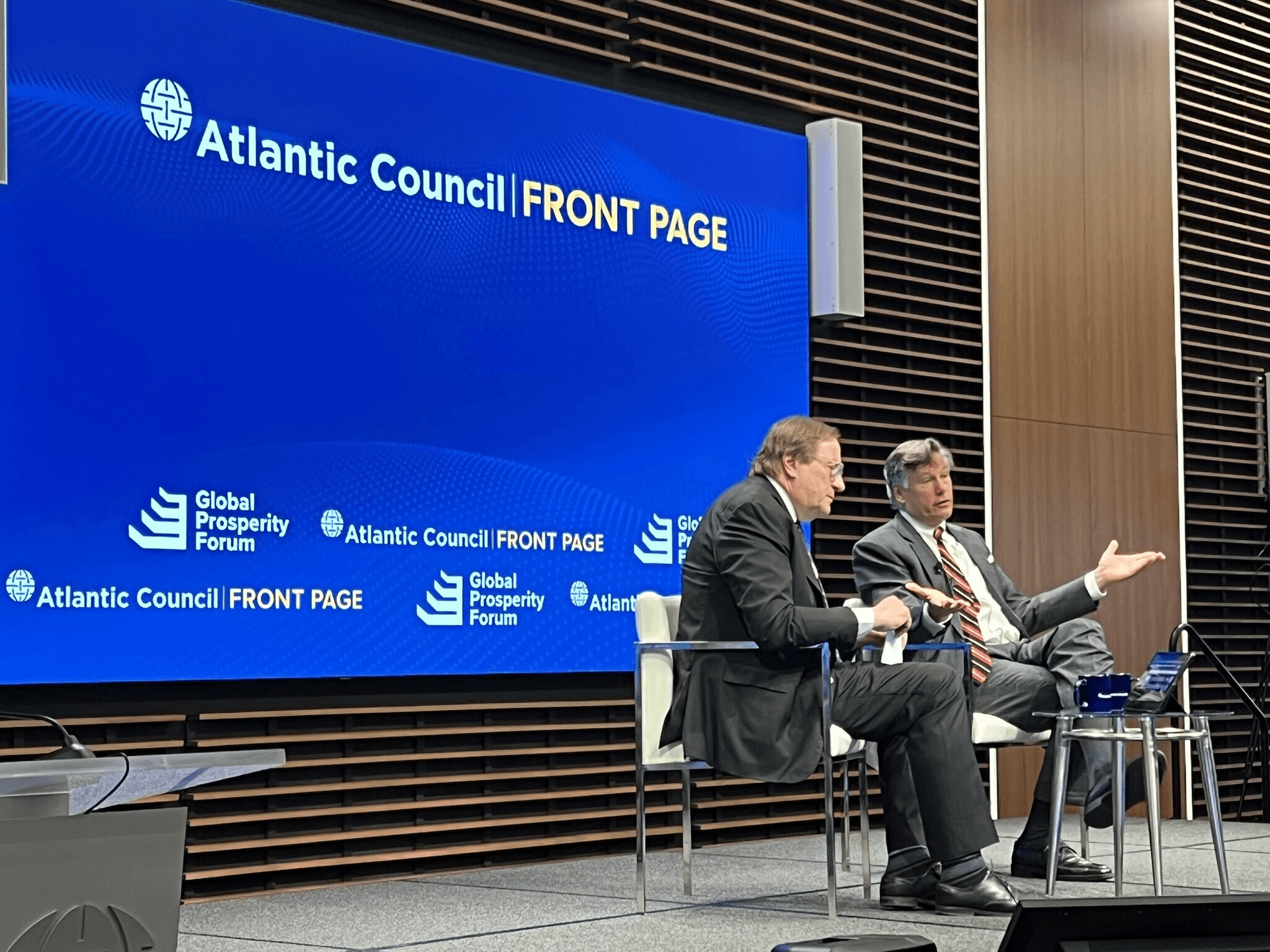
U.S. Deputy Secretary of State Christopher Landau. Anastasia, Orestes. 2026.
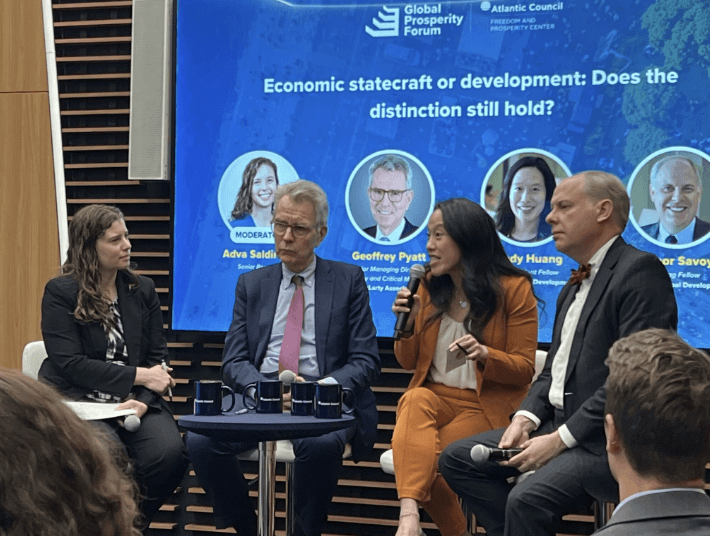
Anastasia, Orestes. 2026.
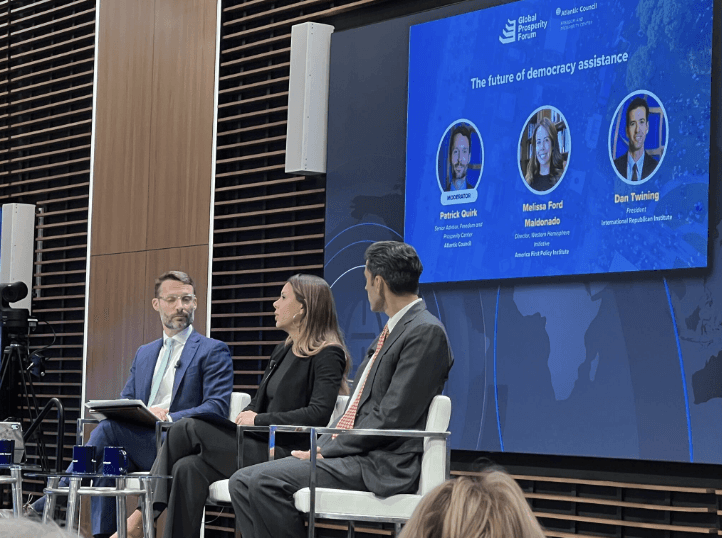
Anastasia, Orestes. 2026.
References:
Estes et al. April 14, 2026. Deep Cuts, New Directions? Trump’s FY27 Budget and the Future of US Foreign Assistance. Center for Global Development.
Global Prosperity Forum. April 9, 2026. Atlantic Council.
Future of Development Cooperation Coalition. February 4, 2026. On the Cusp of a New Era of Development Cooperation. FDCC.
Anastasia, Orestes. April 11. 2026. Global Prospersity Council. Linkedin.